Seasonal vs long-term rental in Spain: key differences
The main difference is duration and the rules that follow from it. A long-term let (alquiler de larga duración) is for living in Spain for a year or more and is governed by the LAU, the Spanish rental law. A seasonal let (alquiler de temporada) lasts up to 11 months, for example November to May, and is tied to a season rather than to a home you settle into.
What each type of rental actually means
A long-term rental is a residential let for 11–12 months or more, regulated by the LAU. It is meant to be your main home, and the law gives it a framework for renewals and for tenants' and owners' rights.
A seasonal rental is a temporary let of up to 11 months, linked to a particular period such as the winter months. It is often furnished and set up for people who are only here for part of the year. Both are different from holiday lets by the day or week, which need a tourist licence and are not covered here.
Contract length and what happens at the end
With a long-term contract, the basic extension period under the law is up to 5 years where the landlord is a private individual. In practice this gives you stability if you plan to stay. Details can vary with the type of landlord and the contract, so it is worth checking the specifics.
A seasonal contract is for a fixed term, and the property is returned at the end of that term without any extension. The owner is also free to let it to someone else over the summer, when demand and prices are highest. If you want to stay beyond the agreed dates, you need the owner's agreement, and it is not guaranteed.
Monthly price and what is included
Seasonal rentals usually cost more per month than long-term ones. The owner is giving up the high-demand summer period, and the property is typically fully furnished and equipped, with utilities (electricity, water, internet) often included in the price.
Long-term rentals have a lower monthly rent, but utility bills are normally paid by the tenant on top. When comparing two properties, add everything up rather than looking at the rent alone.
- Rent per month
- Utilities: electricity, water, gas, internet
- Community fees, if the contract assigns them to the tenant
- Deposits and first month in advance
- Agency services, where applicable
Deposits and upfront costs
By law, the deposit (fianza) for a long-term let is 1 month's rent, and the owner may ask for an additional guarantee of up to 2 months. On the Costa Blanca the usual practice is different: 2 refundable deposits plus the first month in advance, plus agency services. Owners ask for this almost always because of the risk of non-payment and of okupas (squatters).
So for a long-term let, plan for roughly three months' rent upfront, before any agency costs. Deposits are refundable at the end of the contract, provided the property is returned in good condition and the bills are settled. For a seasonal let, check in advance how much is asked and how it will be returned, and make sure it is written into the contract.
Empadronamiento, schools and daily life
If you are moving to Spain and need to register at the town hall (empadronamiento), or enrol children in school, a long-term contract is usually the better choice. It shows you have a stable address, which is what these procedures are based on.
Requirements can differ between town halls and schools, so ask them directly which documents they accept. A short seasonal contract may not be enough in some cases.
How to choose between seasonal and long-term
Think about how long you will really be here. If you are coming for the winter, or working remotely until early summer, a seasonal let fits well: you arrive to a furnished home, bills are often included and you hand back the keys on the agreed date.
If you are relocating for a year or more, a long-term contract is generally more sensible. The monthly rent is lower, the contract gives you more stability and it makes paperwork easier. To compare fairly, calculate the total cost over your stay: rent, bills and deposits.
What to check in the listing and the contract
The type of contract should be stated in the listing itself. Seasonal lets are normally marked clearly, for example "Temporary rental: November–31 May". If you do not see the dates or the type, ask before you go to a viewing.
Contracts are usually drawn up in Spanish, and you can ask for a translation for your own use. Read the term, the deposit, who pays the utilities, the inventory and the conditions for returning the property before you sign. If anything is unclear, a lawyer or gestor can check it for you.
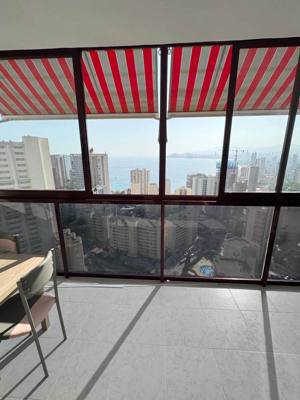
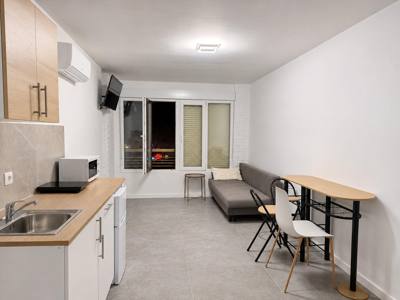
Current listings




FAQ
What is the difference between alquiler de temporada and alquiler de larga duración?
Alquiler de larga duración is a residential let of 11–12 months or more under the LAU, with a legal framework for extensions. Alquiler de temporada is a temporary let of up to 11 months tied to a season, with a fixed end date and no extension by default.
Is seasonal rental more expensive than long-term rental in Spain?
Usually, yes. The monthly price is higher because the property is furnished, utilities are often included and the owner loses the chance to let it in summer. Long-term rent is lower, but you normally pay the bills separately, so compare total costs.
How much deposit do I pay for a long-term rental on the Costa Blanca?
By law the fianza is 1 month's rent, and the owner may ask for an additional guarantee of up to 2 months. In practice, the standard on the Costa Blanca is 2 refundable deposits plus the first month in advance, plus agency services. Check the exact amounts in the contract.
Can I register at the town hall (empadronamiento) with a seasonal contract?
It depends on the town hall and the documents they ask for. A long-term contract is generally the safer route for empadronamiento and for enrolling children at school. Confirm the requirements with your local town hall before you sign.
Does the rental contract have to be in Spanish?
Contracts are usually drawn up in Spanish, as that is the standard on the Costa Blanca. You can ask for a translation to read for yourself. If you are not sure about any clause, it is sensible to have a lawyer or gestor look at it.
Choose seasonal if you are here for the winter or until early summer, and long-term if you are moving for a year or more, and compare the total cost rather than rent alone. This is general information, not legal advice, so check the details with a notary, lawyer or gestor.
General information only, not legal or tax advice; rates and deadlines change — please check the current rules.