How to Buy an Apartment in Spain: Steps and Taxes
Buying an apartment in Spain follows a clear sequence: get an NIE, open a bank account, check the property, sign a deposit contract, then complete at the notary and register the purchase. On top of the price, budget roughly 11–14% for taxes and fees in the Valencian Community, but always check the current rates before you commit.
Step 1: Set your budget and get an NIE
Before you view anything, work out your total budget, including taxes and fees, not just the asking price. Buyers often forget that the extra costs can add a noticeable amount to the final bill.
You will need an NIE (foreigner identification number) to complete the purchase. It is issued by the police in Spain or through a Spanish consulate in your home country, and processing times vary, so apply early.
Step 2: Open a Spanish bank account
A Spanish bank account makes life much easier. You will use it to pay the purchase costs, and later for direct debits for utilities, community fees and the annual property tax.
Banks usually ask for your NIE and passport, and sometimes proof of income or address. Requirements differ between banks, so ask in advance.
Step 3: Choose a property and check it properly
Once you have found an apartment you like, do not rely on the listing alone. Ask for a nota simple from the Registro de la Propiedad (the Land Registry). It shows who legally owns the property and whether there are any charges on it, such as a mortgage or debts (cargas).
Check the practical details too. Ask about the monthly community fees (comunidad), whether there are any arrears, and whether the annual property tax (IBI) has been paid.
- Nota simple: owner, charges, mortgage, seizures
- Community fees and any unpaid amounts
- IBI receipts for recent years
- Whether the actual layout matches the registered one
Step 4: Reservation and the arras contract
If everything looks fine, you usually sign a reservation and then a private purchase contract with a deposit, the contrato de arras. The deposit is typically around 10% of the price.
Read this contract carefully. It sets out the conditions, the completion date and what happens if either side withdraws, so it is best reviewed by a lawyer before you sign.
Step 5: Lawyer or gestor, and completion at the notary
Hiring an independent lawyer or a gestor is not always compulsory, but it is strongly advisable, especially for foreign buyers. They check the documents, the debts and the legal status of the property, and help with the paperwork.
Completion takes place at the notary, where you sign the deed (escritura) and pay the balance. As a rule, allow about one to two months from reservation to the notary. Afterwards the deed is registered in the Land Registry, utility contracts are put in your name and the taxes are filed.
Taxes and costs on top of the price
For a resale property in the Valencian Community, you pay transfer tax (ITP). The general rate is 10%, although reduced rates may apply to certain categories of buyer. For a new-build, you pay IVA (VAT) at 10% plus stamp duty (AJD), which is around 1.5% in the Valencian Community.
Notary, Land Registry and gestoría fees are roughly 1–2% of the price, and a lawyer is around 1%. In total, expect approximately 11–14% on top of the price. Rates and rules change, so confirm the current figures with a notary, lawyer or gestor.
- Resale: ITP, generally 10%
- New-build: IVA 10% + AJD, around 1.5%
- Notary, registry and gestoría: roughly 1–2%
- Lawyer: around 1%
Non-residents, mortgages and common risks
Non-resident owners pay the annual property tax (IBI) and also a non-resident income tax (IRNR), the details of which depend on your situation, so take advice. Mortgages are available to non-residents, usually up to roughly 60–70% of the value, depending on the bank and your profile.
The most common problems are buying without a lawyer, unregistered extensions or alterations, unpaid community debts and an existing mortgage on the property. Most of them can be spotted with proper checks before you pay the deposit.
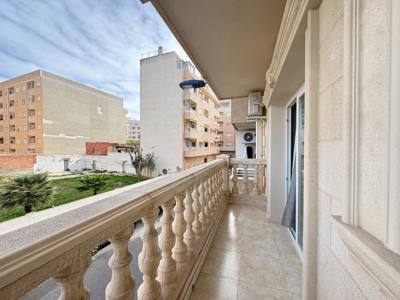
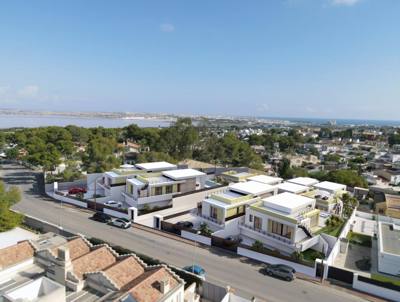
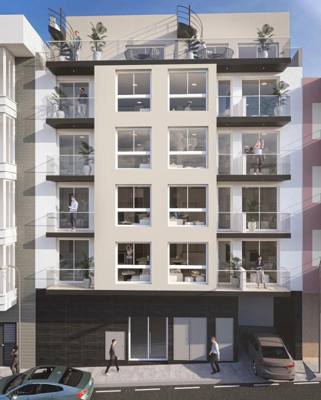
Current listings



FAQ
Do I need an NIE to buy a property in Spain?
Yes, you need an NIE to complete the purchase. It is issued by the police in Spain or by a Spanish consulate. It is sensible to apply before you start making offers.
How much are taxes and fees when buying an apartment in Spain?
In the Valencian Community, expect roughly 11–14% on top of the price, including taxes, notary, registry, gestoría and legal fees. The exact amount depends on whether the property is resale or new-build. Check current rates with a lawyer or gestor.
What is the difference between ITP and IVA?
ITP is transfer tax paid on resale properties, generally 10% in the Valencian Community. New-builds are subject to IVA at 10% plus stamp duty (AJD), which is around 1.5% here. You pay one or the other, depending on the type of property.
How long does it take to buy a flat in Spain?
From reservation to signing at the notary, it typically takes one to two months. It can be quicker or slower depending on documents, financing and the property's legal status.
Can a foreigner get a mortgage in Spain?
Yes, non-residents can get a Spanish mortgage, usually covering up to about 60–70% of the property's value. Terms vary by bank and by your income and credit history.
A safe purchase in Spain comes down to careful checks, a good lawyer and a realistic budget that includes roughly 11–14% in extra costs. This is general information, not legal advice, so confirm the details with a notary, lawyer or gestor.
General information only, not legal or tax advice; rates and deadlines change — please check the current rules.