How to Avoid Rental Scams in Spain: A Costa Blanca Guide
The safest way to avoid a rental scam in Spain is simple: never pay anything before you have seen the property, checked who owns it and received a written contract. Most scams rely on pressure, a price that is too good and a landlord who is conveniently abroad. If you spot those three things together, stop and verify before you send any money.
The most common rental scams in Spain
The classic scam is the 'owner abroad'. The person says they are working or living in another country, cannot show the flat, and offers to post the keys once you transfer a deposit or a 'reservation fee'. The keys never arrive, and the property is often not theirs to rent at all.
Another common variant is a listing built from someone else's photos and description. Scammers copy a genuine advert from an agency or a holiday portal, lower the price and publish it again under a different name. You may also be sent a link to a 'booking page' that looks official but exists only to collect your payment or card details.
- Deposit or 'reservation' requested before any viewing
- Keys promised by post or courier
- Payment requested via Western Union, cryptocurrency, gift cards or an unfamiliar booking link
- Copied photos of a real property listed at a fake price
- No contract, or a contract offered only after payment
Red flags in the listing and the conversation
Start with the price. If a flat is advertised at one and a half to two times less than similar properties in the same town, there is almost always a catch. Spend ten minutes on the main portals comparing size, area and condition before you get excited.
Then look at how the person communicates. Pressure such as 'urgent, many people interested, pay today to hold it' is a warning sign. So are vague answers about the exact address, refusal to speak by phone, or a story that keeps changing. A genuine owner or agent will be happy for you to take your time and view the property first.
How to check the property and the owner
Insist on a viewing in person. If you are still abroad, ask for a live video call from the actual address, where the person shows the property, the building entrance and the street, and also shows their ID. A pre-recorded video proves nothing.
You can also check ownership yourself. A nota simple from the Registro de la Propiedad shows who the registered owner of a property is, and it can be requested by anyone, usually for a small fee. Compare the name on it with the name on the contract and the person you are dealing with. If someone is acting for the owner, ask for written authorisation.
- Run the photos through a reverse image search such as Google Lens to see whether they appear in other adverts
- Search the address, phone number and email online for complaints or duplicate listings
- Compare the asking price with similar properties in the same area
- If an agency is involved, check its company details (CIF) and that it is a real, registered business with a physical office
Paying safely: deposits, contract and receipts
By law, the deposit (fianza) is one month's rent, and the owner may also ask for an additional guarantee of up to two months. In practice, the usual arrangement on the Costa Blanca is two refundable deposits plus the first month in advance, plus the agency's fees if one is involved. Owners tend to ask for this because of the risk of non-payment and squatting (okupas), so a request like this is not in itself a red flag.
What matters is how and when you pay. Pay by bank transfer to a Spanish account (the IBAN starts with ES), and check that the account holder matches the owner named in the contract, or the agency if it is handling the payment. Do not pay anything before the viewing. Ask for a receipt that states what each payment covers, and ask where the deposit will be held: in Spain the landlord is required to lodge the fianza with the regional deposit body, and you can ask for confirmation of this.
Ask for the contract in writing before you transfer money and read it carefully. Contracts are usually drawn up in Spanish, and you can ask for a translation for your own use. If something is unclear, have a lawyer or a trusted adviser look at it before you sign.
What to do if you think you've been scammed
Act quickly. Contact your bank straight away, explain what happened and ask whether the transfer can be recalled or blocked. Success is not guaranteed, but the sooner you ask, the better the chances.
Then file a report (denuncia) with the Policía Nacional or the Guardia Civil. In many cases this can be started online and completed at a station. Keep everything: messages, emails, the advert, screenshots, receipts, the bank transfer confirmation and the account details you paid into. Do not send further money to anyone who offers to 'recover' your funds for a fee.
How we protect tenants
We show you the property in person and can provide the owner's documents. We also work with a written rental contract, so you know exactly what you are signing and what you are paying for. Whoever you rent through, the principle is the same: see it, verify it, then pay.
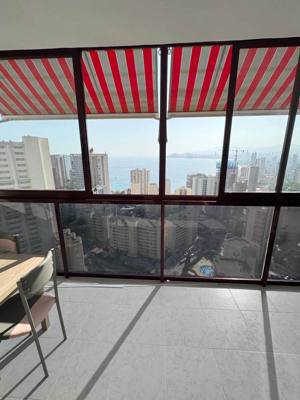
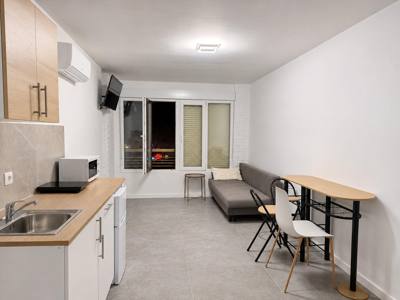
Current listings




FAQ
Is it safe to pay a deposit before viewing a flat in Spain?
No. Do not pay a deposit or a 'reservation fee' before you have seen the property and checked who you are dealing with. Genuine owners and agents expect a viewing first, either in person or in a live video call from the address.
How can I check who owns a property in Spain?
You can request a nota simple from the Registro de la Propiedad, which shows the registered owner. Compare that name with the person you are dealing with, the name on the contract and the holder of the bank account you are asked to pay into. If someone acts on the owner's behalf, ask for written authorisation.
How many deposits do landlords ask for in Spain?
By law the fianza is one month's rent, and the owner can ask for an additional guarantee of up to two months. On the Costa Blanca it is common to be asked for two refundable deposits plus the first month in advance, plus agency fees where an agency is involved. Always get a receipt and ask where the deposit will be held.
What payment methods are a sign of a rental scam?
Western Union, cryptocurrency, gift cards and links to unfamiliar 'booking pages' are all warning signs. Safe practice is a bank transfer to a Spanish account whose holder matches the owner or the agency, backed by a written contract and a receipt.
What should I do if I have already sent money to a scammer?
Contact your bank immediately and ask them to try to recall the transfer, then file a report with the Policía Nacional or the Guardia Civil. Keep all messages, screenshots, receipts and account details as evidence.
Rental scams in Spain follow a pattern: a low price, an absent owner, pressure to pay fast and no viewing or contract. Check the property and the owner, pay only by traceable bank transfer after a viewing, and keep every document. This article is general information, not legal advice, so check the details with a lawyer or gestor.
General information only, not legal or tax advice; rates and deadlines change — please check the current rules.